
Body and care · Hair brushing
Picture another fight over the brush. Now picture it going differently.
You’ve tried the detangling spray, the short haircut and the bribes. Kinspire helps you see why hair brushing is such a battle for your child, and gives you a plan made for them.
Sound familiar?
If this is your house, you’re not alone.
- The first pull
One snag and it’s over. They’re out of the chair and under the table.
- The morning rush
There’s no time for the fight, so the ponytail goes in over the knots.
- After the bath
Wet hair, more tangles and tears before bed.
a day, most mornings and nights, hair brushing comes around again.
It isn’t drama, and it isn’t bad parenting. Something about hair brushing feels like too much, and you can find out what.
01We put parents at the center of care
Hair brushing happens at home. So does the fix.
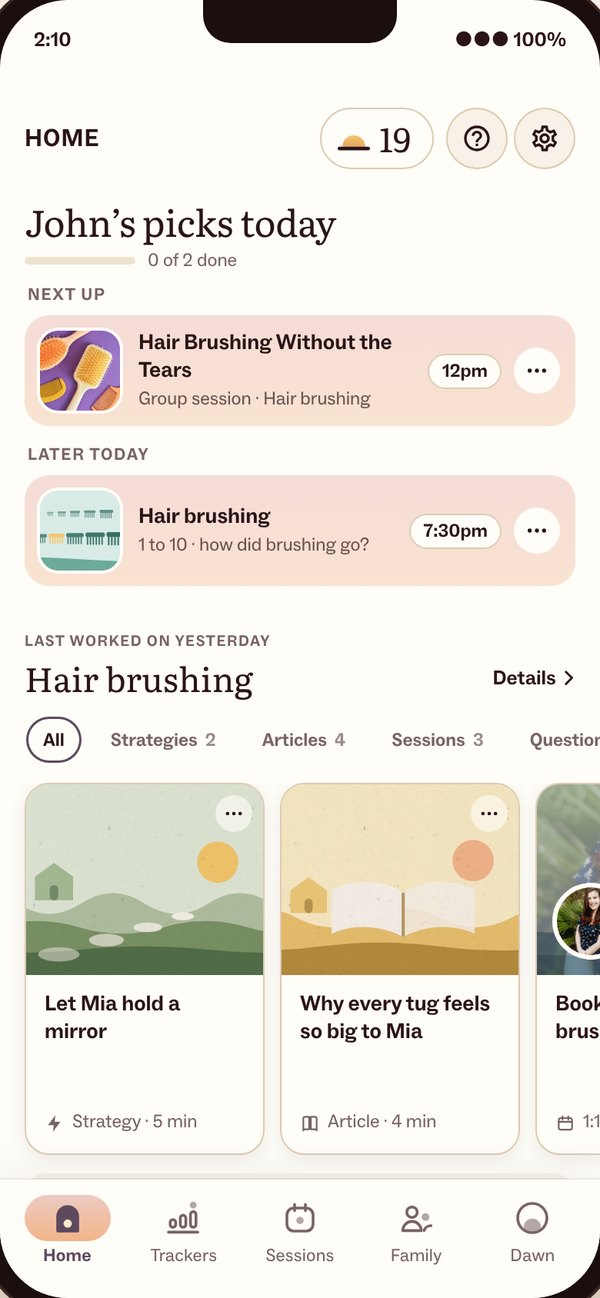
If your child sees a therapist once a week, that’s one hour. Hair brushing happens in the other 167: in the bathroom, most days, with you. Kinspire puts your plan for hair brushing right on your Home screen, ready for tonight.
- 7:00amWake up
- 7:20amMorning brush
- 7:45amOut the door
- 7:00pmBath
- 7:30pmNight brush
- 8:00pmLights out
For many kids, brushing after a bath, when hair is wet and tangled, is the hardest.

02We keep real people in your corner
Some hair brushing battles need a real person.
When every brush ends in tears, it wears everyone down. Kinspire puts developmental experts and parents who get it in your corner, live, every week.
Live group sessions
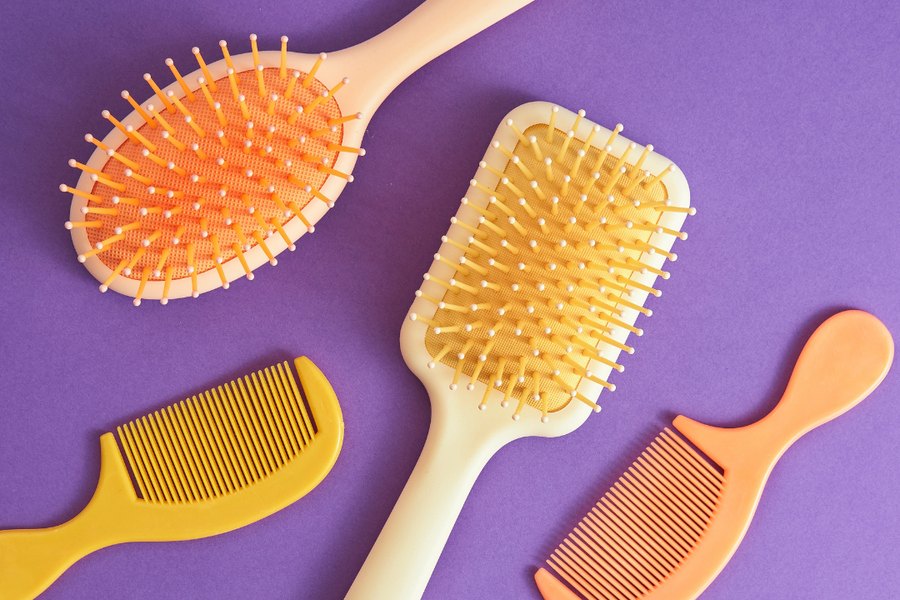 WorkshopHair Brushing Without the TearsWhy the brush can feel like too much, and how to make it doable
 Office HoursAsk an OT: Sensitive Scalps and TanglesBrushes, sprays and haircuts, answered live
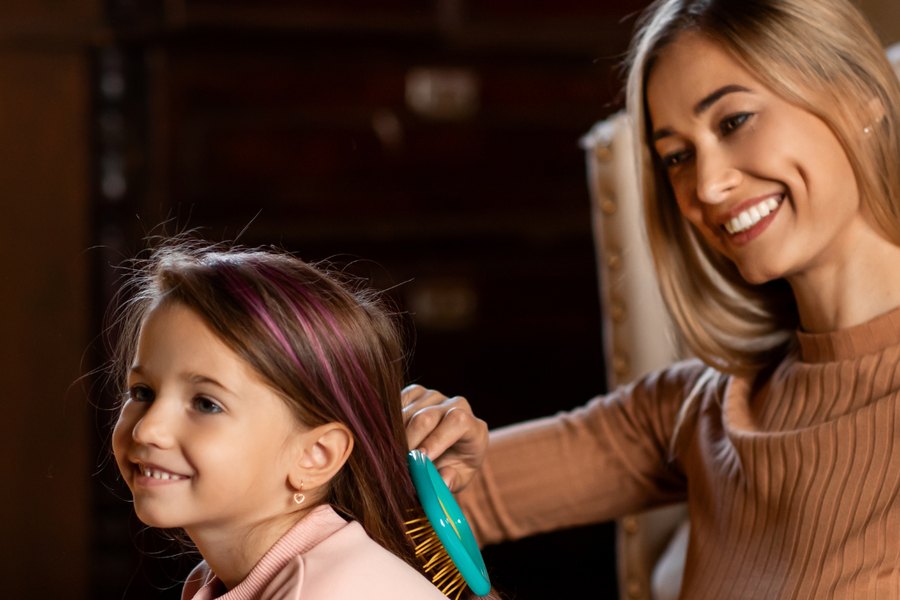 Support GroupSensory Sensitivities Support GroupParents of kids for whom touch, tugs and textures feel like too much, every week
1:1 sessions
Go deep with your own expert.
45 minutes on video with a Kinspire expert matched to hair brushing and your child’s age. They read your Family Profile before you meet.
Book a 1:1 Dr. Crystal CoffmanOTD, OTR/LSensory needs and self-care
 Lauren HuddlestonMS, OTR/LTouch sensitivity and routines
03We build every plan from scratch
No two hair brushing battles have the same cause.
Generic advice is why the detangling spray didn’t work. Your Family Profile captures what’s really behind your child’s battles over the brush, across three parts of your life.
- Your child
What makes hair brushing hard, and what helps
How they’re wired
- How sensitive their scalp is to pulling and touch
- Whether sitting still for it feels like too much
- How it goes when they brush their own hair
- What helps, like a mirror, a timer or a soft brush
- You
What you bring to the brush
Your energy and hard moments
- How rushed your mornings are
- Whether you end up holding them to get it done
- What you’ve already tried
- Your home
Where and when it happens
Routines, school and places
- When brushing fits in the routine
- Who brushes their hair
- Siblings getting ready at the same time
Put together, they show why hair brushing is hard for your child, not just that it is.
04We ground everything in clinical science
Two lenses on every hair brushing battle.
Most hair brushing advice is trial and error. Precision Parenting™ looks at what’s happening in your child’s body and brain, so you know why hair brushing is hard and what will help.
Occupational therapy
Is their scalp comfortable? Pulling, light touch and the sound of the brush can feel intense, and sitting still takes body control.
Neuropsychology
Is a skill still growing? Sticking with something that feels unpleasant, and waiting it out, take skills that develop at different speeds.
AI
Puts both together for your child, and turns them into what to try tonight.

05We protect your family’s story
What you share stays yours.
Private to your family
Your account and your Family Profile are only for your family.
We never sell your data
Not to advertisers, not to anyone.
Your child’s name is protected
We remove details like your child’s name before anything is sent to our AI partners.
Progress, not perfection
More good days, one small step at a time.
- Try one thing todayLet them hold a mirrorSo they can see what’s coming.
- Reflect tonightHow did today go?A rating and a line about the brush.
- Wake up to what’s nextDawn adjusts the plan“Keep the mirror. Try brushing from the ends up.”
Also in body and care
Related battles.
Questions
About hair brushing.
Why does my child hate having their hair brushed?
For many outside-the-box kids, the scalp is extra sensitive: every tug feels like a pull and light touch feels prickly. Others find it hard to sit still for something unpleasant. Dawn helps you find which.
Does my child need a diagnosis?
No. Kinspire is built for outside-the-box kids, with or without a diagnosis.
Should I just cut their hair short?
Some families do, and that’s okay. Your plan can help whatever you choose, so brushing, washing and haircuts feel more doable.
Can they learn to brush their own hair?
Often, yes. Your plan can build that skill step by step, so your child has more control.
Gentler mornings. More good days.
Start free with a consultation and your first plan.