
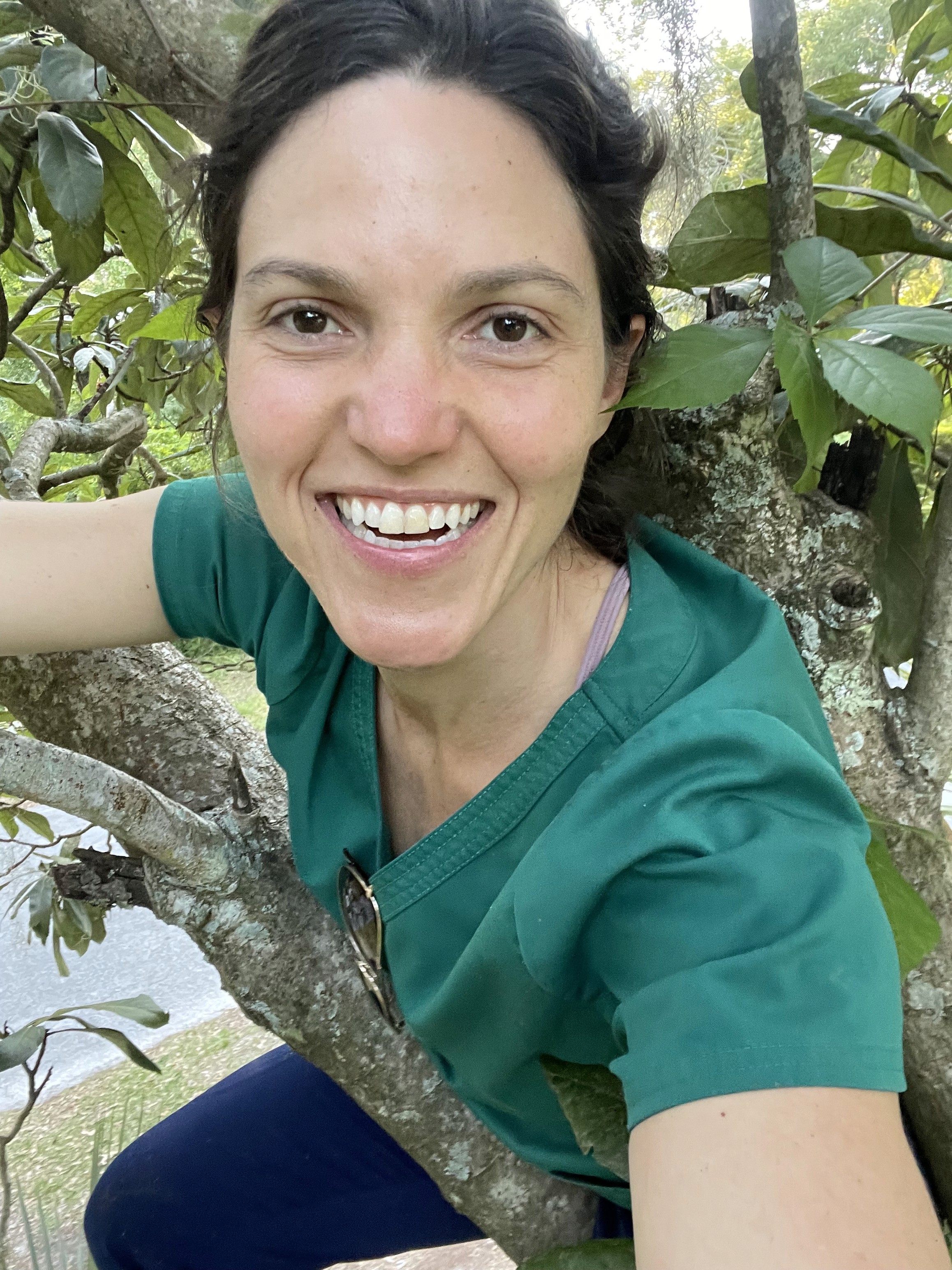


Jocelyn Lemus
,
MOT, OTR/L



Pediatric Occupational Therapist
Practice details and specialties
States Licensed to Practice
Florida
Education and Advanced Training
University of Florida: Master of Occupational Therapy and Bachelor of Science in Journalism and Communications
Sensory Integration Certification
Primitive Reflex Integration Certification
Craniosacral Therapy – Level I
Sequential Oral Sensory (SOS) – Level 1
Training in Play and Movement That Develops the Brain, Body, and Sensory Systems
Training in Communication and Coaching Practices
Languages Spoken
English
Spanish
Specialties
ADHD (Attention Deficit Hyperactivity Disorder)
Apraxia of Speech
Articulation Disorders
Autism Spectrum Disorder (ASD)
Balance and Posture Issues
Emotional Regulation
Cerebral Palsy
Developmental Coordination Disorder
Developmental Delay
Down Syndrome
Dysarthria
Early Childhood Development
Executive Functioning**
Feeding and Oral Motor Difficulties
Fine Motor Delay
Fluency Disorders
Genetic Syndromes
Handwriting Difficulties
Language Disorders
Language Processing Disorders
Learning Challenges
Motor Delays
Motor Planning and Coordination
Oppositional Defiant Disorder
Phonological Disorders
Play Skills
Reading Readiness
Self-Care Skills
Sensory Processing Disorder
Sensory Seeking or Sensory Avoidance Behaviors
Social Communication Disorder
Speech Sound Disorders
Stuttering
Tongue Thrust
Transition and Routine Difficulties
Visual Motor Integration Problems
Visual Perceptual and Visual Motor Integration Difficulties
Get to know me
My work is rooted in building trusting relationships where families feel seen, heard, and supported. I bring not only clinical knowledge, but also care and commitment to the families I serve. For the past eight years, I have supported children with complex neurodevelopmental profiles in both unique clinical settings and home health practice.
Along the way, I have had the pleasure of celebrating many victories—not only for the children I work with, but also for their parents, who often gain greater confidence in themselves and their children, develop stronger connections with them, and find more ease in their daily lives.
I find deep purpose in meeting people where they are and partnering with families to break down barriers, build solid foundations, and create space for safety, curiosity, and joy.
My practice is informed by the training and education listed, which focus on pediatric development, self-regulation, learning and behavior, physiology, and psychology, as well as my ongoing study of advanced communication techniques, parenting strategies, social and emotional health, and movement as a pathway to well-being. These experiences allow me to approach therapy not only at the level of skill-building, but also by supporting nervous system readiness and strengthening family connection.
How would you describe your approach to working with families?
I focus on building open, ongoing communication and co-creating strategies for practical, everyday use that fit a family’s unique routines and culture. Every step of the journey matters, and I'm here to encourage and provide whatever is needed along the way. Caregivers know their children best, and my role is to guide caregivers towards knowledge, skills, and resources that can support progress for their children and family system long after the session ends.
How did your work come to focus on conditions treated by Kinspire clinicians, like ADHD, Autism, and SPD?
Early in my career, I was drawn to working with children who faced barriers to connection and learning—not because they lacked intelligence or motivation, but because sensory, motor, and regulation challenges were standing in the way. In my years at neurodevelopmental clinics, I saw firsthand how addressing these underlying foundations opened up new possibilities for learning, relationships, and confidence. Many of the children I worked with had ADHD, autism, and sensory processing differences, and I became passionate about creating individualized, playful, and evidence-informed approaches to help them thrive.
My work is rooted in building trusting relationships where families feel seen, heard, and supported. I bring not only clinical knowledge, but also care and commitment to the families I serve. For the past eight years, I have supported children with complex neurodevelopmental profiles in both unique clinical settings and home health practice.
Along the way, I have had the pleasure of celebrating many victories—not only for the children I work with, but also for their parents, who often gain greater confidence in themselves and their children, develop stronger connections with them, and find more ease in their daily lives.
I find deep purpose in meeting people where they are and partnering with families to break down barriers, build solid foundations, and create space for safety, curiosity, and joy.
My practice is informed by the training and education listed, which focus on pediatric development, self-regulation, learning and behavior, physiology, and psychology, as well as my ongoing study of advanced communication techniques, parenting strategies, social and emotional health, and movement as a pathway to well-being. These experiences allow me to approach therapy not only at the level of skill-building, but also by supporting nervous system readiness and strengthening family connection.
How would you describe your approach to working with families?
I focus on building open, ongoing communication and co-creating strategies for practical, everyday use that fit a family’s unique routines and culture. Every step of the journey matters, and I'm here to encourage and provide whatever is needed along the way. Caregivers know their children best, and my role is to guide caregivers towards knowledge, skills, and resources that can support progress for their children and family system long after the session ends.
How did your work come to focus on conditions treated by Kinspire clinicians, like ADHD, Autism, and SPD?
Early in my career, I was drawn to working with children who faced barriers to connection and learning—not because they lacked intelligence or motivation, but because sensory, motor, and regulation challenges were standing in the way. In my years at neurodevelopmental clinics, I saw firsthand how addressing these underlying foundations opened up new possibilities for learning, relationships, and confidence. Many of the children I worked with had ADHD, autism, and sensory processing differences, and I became passionate about creating individualized, playful, and evidence-informed approaches to help them thrive.
My work is rooted in building trusting relationships where families feel seen, heard, and supported. I bring not only clinical knowledge, but also care and commitment to the families I serve. For the past eight years, I have supported children with complex neurodevelopmental profiles in both unique clinical settings and home health practice.
Along the way, I have had the pleasure of celebrating many victories—not only for the children I work with, but also for their parents, who often gain greater confidence in themselves and their children, develop stronger connections with them, and find more ease in their daily lives.
I find deep purpose in meeting people where they are and partnering with families to break down barriers, build solid foundations, and create space for safety, curiosity, and joy.
My practice is informed by the training and education listed, which focus on pediatric development, self-regulation, learning and behavior, physiology, and psychology, as well as my ongoing study of advanced communication techniques, parenting strategies, social and emotional health, and movement as a pathway to well-being. These experiences allow me to approach therapy not only at the level of skill-building, but also by supporting nervous system readiness and strengthening family connection.
How would you describe your approach to working with families?
I focus on building open, ongoing communication and co-creating strategies for practical, everyday use that fit a family’s unique routines and culture. Every step of the journey matters, and I'm here to encourage and provide whatever is needed along the way. Caregivers know their children best, and my role is to guide caregivers towards knowledge, skills, and resources that can support progress for their children and family system long after the session ends.
How did your work come to focus on conditions treated by Kinspire clinicians, like ADHD, Autism, and SPD?
Early in my career, I was drawn to working with children who faced barriers to connection and learning—not because they lacked intelligence or motivation, but because sensory, motor, and regulation challenges were standing in the way. In my years at neurodevelopmental clinics, I saw firsthand how addressing these underlying foundations opened up new possibilities for learning, relationships, and confidence. Many of the children I worked with had ADHD, autism, and sensory processing differences, and I became passionate about creating individualized, playful, and evidence-informed approaches to help them thrive.
My work is rooted in building trusting relationships where families feel seen, heard, and supported. I bring not only clinical knowledge, but also care and commitment to the families I serve. For the past eight years, I have supported children with complex neurodevelopmental profiles in both unique clinical settings and home health practice.
Along the way, I have had the pleasure of celebrating many victories—not only for the children I work with, but also for their parents, who often gain greater confidence in themselves and their children, develop stronger connections with them, and find more ease in their daily lives.
I find deep purpose in meeting people where they are and partnering with families to break down barriers, build solid foundations, and create space for safety, curiosity, and joy.
My practice is informed by the training and education listed, which focus on pediatric development, self-regulation, learning and behavior, physiology, and psychology, as well as my ongoing study of advanced communication techniques, parenting strategies, social and emotional health, and movement as a pathway to well-being. These experiences allow me to approach therapy not only at the level of skill-building, but also by supporting nervous system readiness and strengthening family connection.
How would you describe your approach to working with families?
I focus on building open, ongoing communication and co-creating strategies for practical, everyday use that fit a family’s unique routines and culture. Every step of the journey matters, and I'm here to encourage and provide whatever is needed along the way. Caregivers know their children best, and my role is to guide caregivers towards knowledge, skills, and resources that can support progress for their children and family system long after the session ends.
How did your work come to focus on conditions treated by Kinspire clinicians, like ADHD, Autism, and SPD?
Early in my career, I was drawn to working with children who faced barriers to connection and learning—not because they lacked intelligence or motivation, but because sensory, motor, and regulation challenges were standing in the way. In my years at neurodevelopmental clinics, I saw firsthand how addressing these underlying foundations opened up new possibilities for learning, relationships, and confidence. Many of the children I worked with had ADHD, autism, and sensory processing differences, and I became passionate about creating individualized, playful, and evidence-informed approaches to help them thrive.
My work is rooted in building trusting relationships where families feel seen, heard, and supported. I bring not only clinical knowledge, but also care and commitment to the families I serve. For the past eight years, I have supported children with complex neurodevelopmental profiles in both unique clinical settings and home health practice.
Along the way, I have had the pleasure of celebrating many victories—not only for the children I work with, but also for their parents, who often gain greater confidence in themselves and their children, develop stronger connections with them, and find more ease in their daily lives.
I find deep purpose in meeting people where they are and partnering with families to break down barriers, build solid foundations, and create space for safety, curiosity, and joy.
My practice is informed by the training and education listed, which focus on pediatric development, self-regulation, learning and behavior, physiology, and psychology, as well as my ongoing study of advanced communication techniques, parenting strategies, social and emotional health, and movement as a pathway to well-being. These experiences allow me to approach therapy not only at the level of skill-building, but also by supporting nervous system readiness and strengthening family connection.
How would you describe your approach to working with families?
I focus on building open, ongoing communication and co-creating strategies for practical, everyday use that fit a family’s unique routines and culture. Every step of the journey matters, and I'm here to encourage and provide whatever is needed along the way. Caregivers know their children best, and my role is to guide caregivers towards knowledge, skills, and resources that can support progress for their children and family system long after the session ends.
How did your work come to focus on conditions treated by Kinspire clinicians, like ADHD, Autism, and SPD?
Early in my career, I was drawn to working with children who faced barriers to connection and learning—not because they lacked intelligence or motivation, but because sensory, motor, and regulation challenges were standing in the way. In my years at neurodevelopmental clinics, I saw firsthand how addressing these underlying foundations opened up new possibilities for learning, relationships, and confidence. Many of the children I worked with had ADHD, autism, and sensory processing differences, and I became passionate about creating individualized, playful, and evidence-informed approaches to help them thrive.
Other Interests
Outside of work, my time is devoted to nourishing activities such as quiet time outdoors and gathering with friends and family. I especially come alive when there's an opportunity to dance, sing, play, and/or pray. Music of all kinds, self-expression, and exploration bring me joy, while weightlifting, journaling, and studying offer me empowerment and growth. I value a balance of rest and restoration with active physical, social, and intellectual engagement.

"What I love about Kinspire is that it fills a gap that's been missing in the therapy world. We now have the chance to build more flexible connections with families and to support them more easily in real-time where it matters the most."
Your family's daily lifeline for lasting change.
Sign up for our newsletter
Proud members of

© 2025 Kinspire Inc. All Rights reserved
Your family's daily lifeline for lasting change.
Sign up for our newsletter
Proud members of

© 2025 Kinspire Inc. All Rights reserved
Your family's daily lifeline for lasting change.
Sign up for our newsletter
Proud members of

© 2025 Kinspire Inc. All Rights reserved
Your family's daily lifeline for lasting change.
Sign up for our newsletter
Proud members of

© 2025 Kinspire Inc. All Rights reserved


